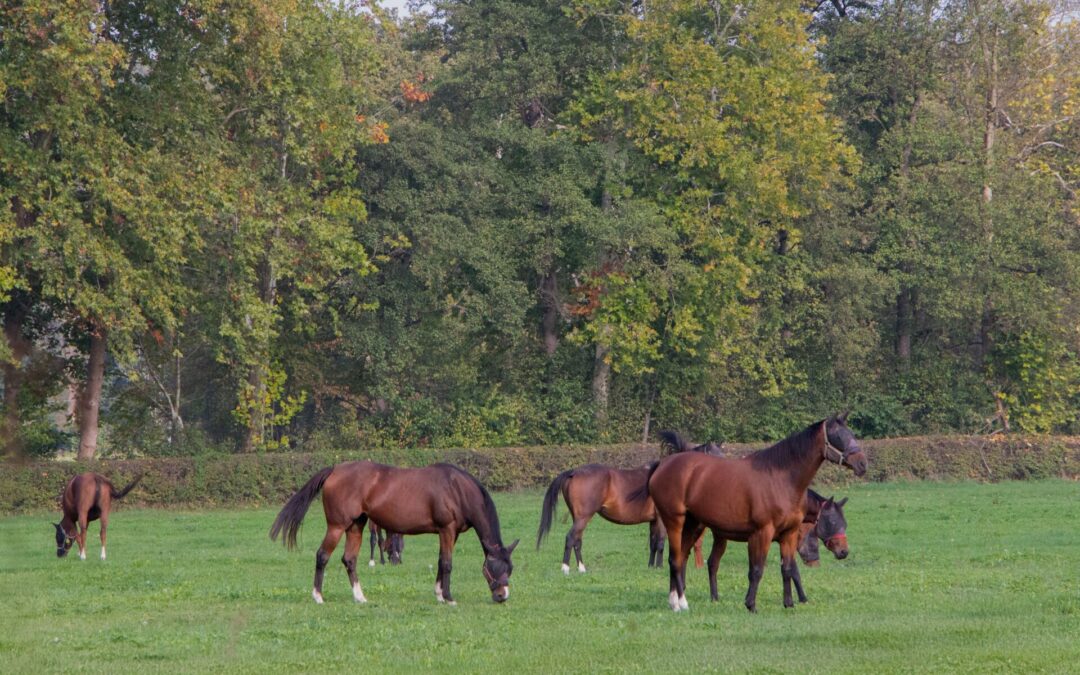
For many horse owners, buying an equestrian property is the ultimate lifestyle investment. Whether you’re looking for a family home with a few acres, a professional competition yard or a substantial equestrian estate, finding the right property requires far more than simply choosing a beautiful country house.
Unlike a conventional residential purchase, an equestrian property combines residential, rural and often commercial considerations. The quality of the land, drainage, planning permissions, access, buildings and legal title can all have a significant impact on the property’s suitability and long-term value.
At Domus Holmes, we specialise in sourcing and acquiring exceptional country homes and equestrian properties throughout the UK. Acting exclusively for buyers, we provide impartial advice, undertake detailed due diligence and often secure access to discreet off-market opportunities that never reach the open market.
This guide highlights the key considerations every buyer should keep in mind before purchasing an equestrian property.
Why Equestrian Properties Require Specialist Advice
Buying an equestrian property is fundamentally different from purchasing a traditional home.
Beyond the house itself, buyers should carefully assess:
- The quality and usability of the grazing land
- Existing equestrian facilities
- Planning permissions
- Access for horseboxes and agricultural vehicles
- Public rights of way
- Water supply and drainage
- Future development potential
These factors influence not only your day-to-day enjoyment of the property but also its future resale value.
Many buyers understandably fall in love with an attractive farmhouse or country estate, only to discover later that the paddocks suffer from poor drainage, the stables lack planning consent or access is unsuitable for larger vehicles.
Professional advice at an early stage can prevent expensive mistakes.
Choosing the Right Equestrian Property
Every buyer has different objectives, so the first step is to define exactly how the property will be used.
Some buyers simply require a comfortable family home with stabling for a few horses, while others need professional facilities for competition, breeding or commercial livery operations.
Typical equestrian properties include:
- Private homes with stables and grazing
- Competition yards
- Stud farms
- Livery businesses
- Luxury equestrian estates
Understanding your long-term goals will help determine the size of the property, acreage, facilities and location required.
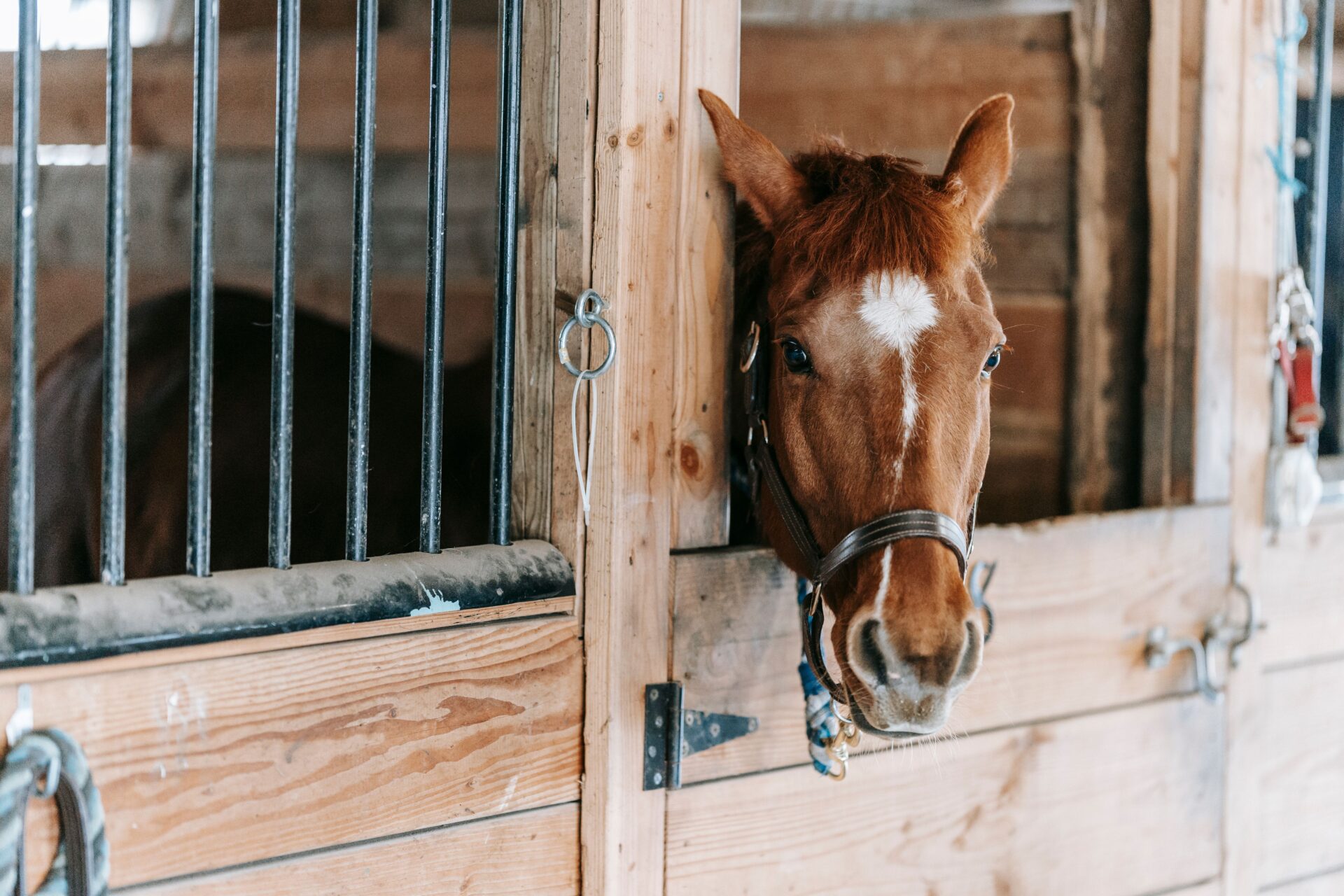
Land Quality Matters More Than Acreage
One of the most common questions buyers ask is:
How much land do I need?
As a general guide, allow approximately 1.5–2 acres of good grazing per horse, although the quality of the land is often more important than the total acreage.
When assessing land, consider:
Soil Type
Free-draining soils generally provide the best grazing conditions.
Heavy clay can become waterlogged during winter, limiting turnout and increasing maintenance costs.
Drainage
Poor drainage can quickly turn attractive paddocks into unusable fields during wet weather.
Visit properties after periods of rainfall whenever possible.
Water Supply
Ensure reliable water is available throughout the property.
Installing new water infrastructure across several acres can be surprisingly expensive.
Fencing
Well-maintained post-and-rail fencing, electric fencing or established hedging provides safer grazing and reduces future maintenance costs.
Essential Equestrian Facilities
Facilities should reflect both your current and future needs.
Key features include:
Stable Yard
Look for:
- Good ventilation
- Reliable water supply
- Effective drainage
- Safe construction
- Convenient access from paddocks
Riding Arena
A professionally constructed arena with quality drainage allows year-round riding.
Competition riders should ideally look for a full-size 20m x 60m arena.
Tack and Feed Rooms
Secure, dry storage protects valuable equipment and helps maintain horse welfare.
Turnout Paddocks
Well-designed paddocks should provide:
- Secure fencing
- Natural shelter
- Good drainage
- Easy access
- Rotational grazing opportunities
Additional facilities such as horse walkers, wash bays, indoor arenas and staff accommodation may also be desirable depending on your requirements.
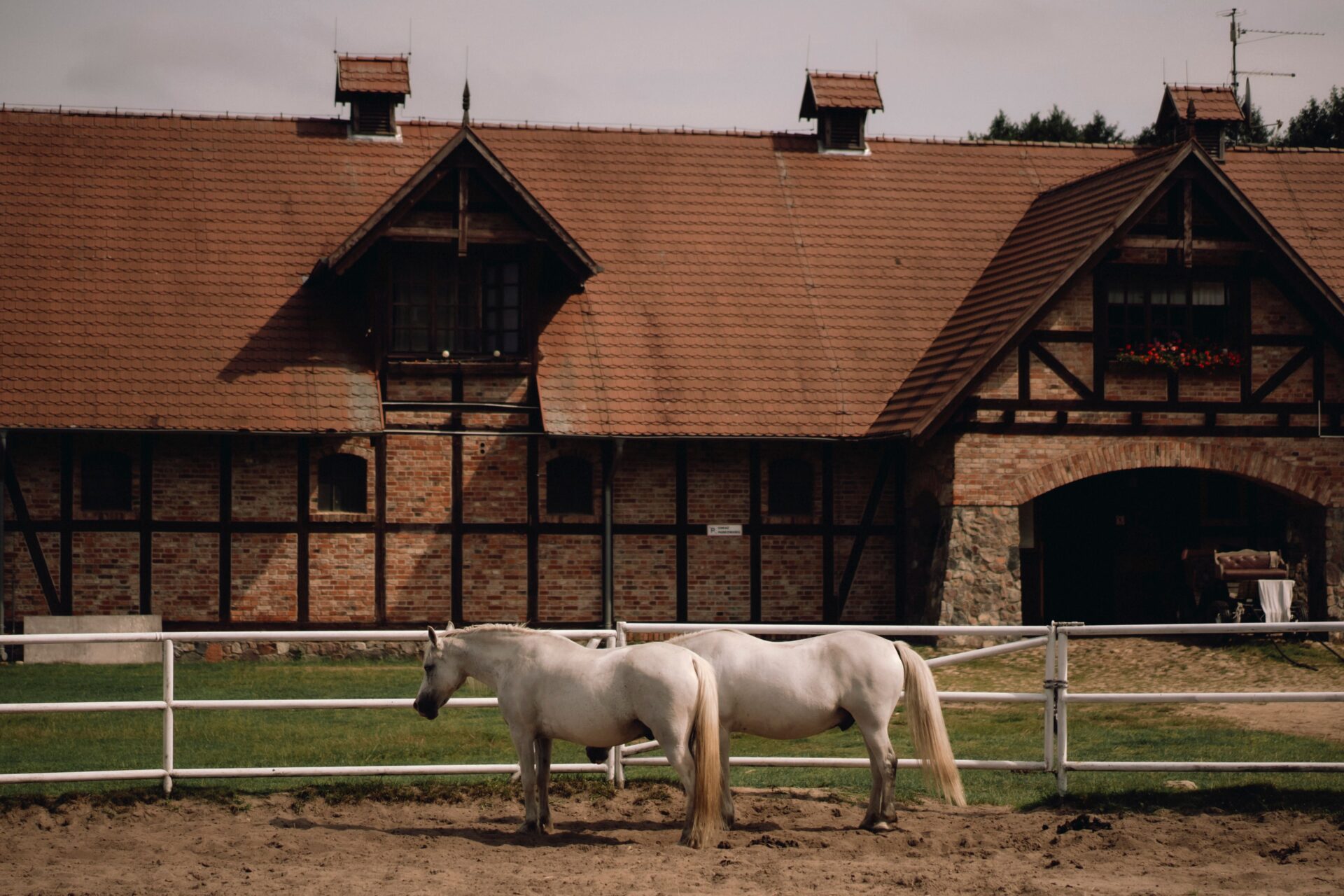
Planning Permission and Legal Checks
Planning is one of the most important aspects of purchasing an equestrian property.
Before committing to a purchase, establish whether:
- Existing stables have planning consent
- Riding arenas were approved
- Buildings comply with regulations
- Commercial equestrian use is authorised
- Future development is likely to be permitted
Additional restrictions may apply where properties are located within Green Belt, National Landscapes, Conservation Areas or are Listed Buildings.
Your solicitor should also investigate:
- Rights of way
- Title boundaries
- Easements
- Access rights
- Flood risk
- Environmental restrictions
These issues can significantly affect both the property’s usability and future value.
Common Mistakes Buyers Make
Even experienced horse owners can overlook important issues.
Some of the most common mistakes include:
- Prioritising the house over the land
- Underestimating drainage problems
- Assuming planning permissions exist
- Ignoring access for horseboxes
- Underestimating maintenance costs
- Failing to investigate future development potential
A thorough due diligence process before exchange of contracts can avoid many of these costly problems.
Why Use a Specialist Buying Agent?
Many of the UK’s finest equestrian properties never appear on Rightmove or other public property portals.
Instead, they are sold discreetly through professional networks.
Acting exclusively for buyers, a specialist buying agent can:
- Source both on-market and off-market opportunities
- Save considerable time by pre-screening suitable properties
- Undertake detailed due diligence
- Assess planning and legal risks
- Negotiate the best possible purchase terms
- Manage the transaction from initial search through to completion
At Domus Holmes, we provide independent representation throughout the buying process, ensuring every property is thoroughly assessed before our clients commit to a purchase.
Frequently Asked Questions (FAQs)
How many acres do I need for two horses?
As a general guide, allow approximately three to four acres of well-managed grazing for two horses, although requirements vary according to soil quality, climate and pasture management.
Can I build stables on agricultural land?
Not always. Planning permission may be required depending on the intended use, location and local planning policies.
Do equestrian properties require specialist mortgages?
Some do. Larger estates, commercial yards and mixed-use properties often benefit from specialist rural lenders.
Should I use a property buying agent?
An experienced buying agent provides independent advice, negotiates on your behalf, undertakes detailed due diligence and can often introduce exclusive off-market opportunities that are unavailable through traditional estate agents.
What should I check before making an offer?
Key considerations include:
- planning permissions;
- drainage;
- grazing quality;
- rights of way;
- access;
- water supply;
- fencing;
- legal title;
- future development potential.
Final Thoughts
Buying an equestrian property is about much more than finding a beautiful country house with stables.
Every aspect—from grazing quality and drainage to planning permission, legal title and future development potential—should be carefully evaluated before making an offer.
With the right professional advice, buyers can avoid costly mistakes while securing a property that supports both their lifestyle and long-term investment objectives.
Whether you’re searching for a private equestrian home, a competition yard or a substantial country estate, working with an experienced buying agent provides invaluable expertise throughout the acquisition process.
Need Expert Help Finding an Equestrian Property?
At Domus Holmes, we specialise in sourcing exceptional country homes, equestrian estates and rural properties across the UK. Acting exclusively for buyers, we provide access to on- and off-market opportunities, undertake comprehensive due diligence and negotiate the best possible terms on your behalf.
Contact us today to discuss your property search.
Further Reading
This article provides an overview of the key considerations when buying an equestrian property in the UK.
For a more comprehensive guide covering planning permission, financing, legal considerations, specialist equestrian facilities and frequently asked questions, read my full LinkedIn article:
Buying an Equestrian Property in the UK: The Complete Guide:
https://www.linkedin.com/pulse/buying-equestrian-property-uk-complete-guide-jerome-aehte/